















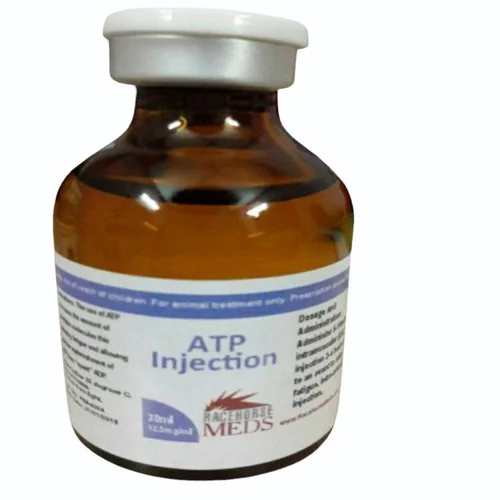
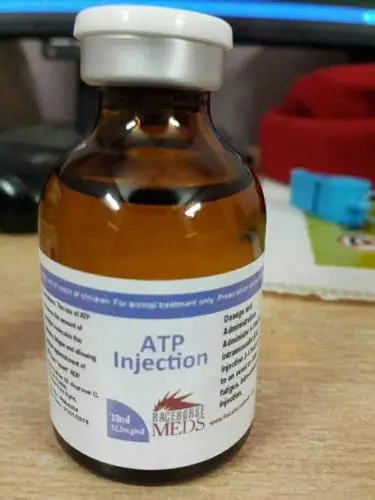
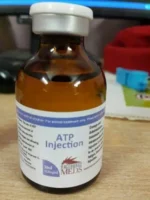


Sarapin ATP Injection – Veterinary Medicines
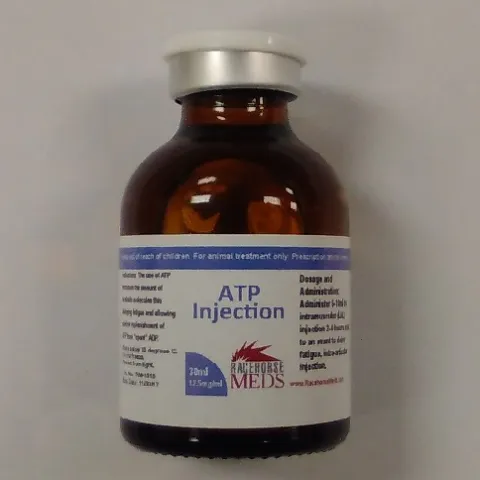
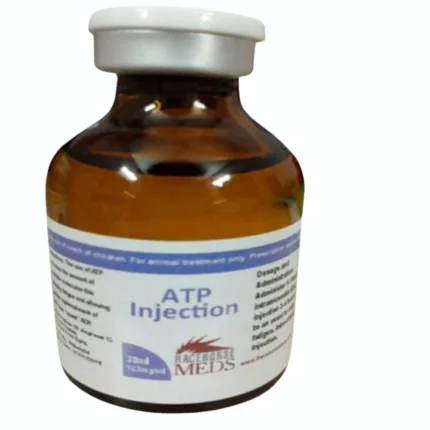
Sarapin ATP Injection is a veterinary pain‑relief and performance support formula used in horses and camels. It combines Sarapin (Pitcher Plant extract) with Adenosine Triphosphate (ATP) to provide natural analgesia, anti‑inflammatory action, and enhanced muscle energy metabolism.
Composition
- Sarapin (Pitcher Plant extract):
- Natural analgesic derived from Sarraceniaceae.
- Blocks pain signals without narcotics or steroids.
- Adenosine Triphosphate (ATP):
- Cellular energy molecule.
- Enhances muscle contraction, stamina, and recovery.
- Form: Injectable solution, typically 20–50 ml vials.
Indications
- Equine & Camel Racing:
- Pre‑competition stamina and pain control.
- Reduces soreness and inflammation in joints and muscles.
- Orthopedic conditions:
- Arthritis, bursitis, laminitis, and musculoskeletal pain.
- Recovery support:
- Post‑training fatigue and muscle repair.
Benefits Of Sarapin ATP Injection
- Dual action: Pain relief + energy metabolism boost.
- Natural alternative: Non‑narcotic, non‑steroidal, non‑toxic.
- Performance edge: Improves start‑explosion and sustained speed.
- Safe profile: Does not erode cartilage, tendons, or bone (unlike corticosteroids).
Administration
- Route: Intramuscular or intravenous injection.
- Dosage:
- Horses/Camels: 10 ml IV or IM, typically 4–6 hours before racing.
- Adjusted by veterinarian depending on weight and condition.
- Frequency: As directed; often used pre‑competition or during recovery cycles.
Risks & Precautions
- Veterinary supervision required: Improper dosing may cause overstimulation or metabolic imbalance.
- Competition regulations: Must comply with racing authority rules.
- Possible side effects: Mild local irritation; rare systemic reactions.
Description
(Adenosine Tri-Phosphate) is utilized in the Kreb’s Cycle – which physiologically is one of the key providers of energy to muscle and other cells, especially during strenuous endurance work.ATP injection
Description
What is ATP INJECTION?
(Adenosine Triphosphate) is utilized in the Kreb’s Cycle – which physiologically is one of the key providers of energy to muscle and other cells, especially during strenuous endurance work. In the process of phosphorilization, a phosphate molecule is given up thereby providing energy in completion of the Kreb’s Cycle.
Dosage and Administration: Administer 5-10ml by intramuscular (I.M.) injection 2-4 hours prior to an event to delay fatigue. You can also therapeutically treat overly fatigued horses, post-race, with the same dosage as well as horses exhibiting shock symptoms due to toxemia.
Why use ATP injection?
The use of ATP INJECTION increases the amount of available molecules this delaying fatigue and allowing quicker replenishment of ATP INJECTION from “spent” ADP. A horse’s performance is dependent on a number of factors including health, nutrition and environmental temperature. Energy is defined as the capacity to do work. The amount of energy available for muscular work is the most important factor in a horse’s performance. Athletic performance requires the efficient utilization of extreme amounts of energy transformed by metabolic pathways from chemical to kinetic energy for muscle contraction. This kinetic energy is in the form of adenosine triphosphate… or ATP. The muscles are capable of storing limited amounts of ATP for muscle contraction, but all athletic events need a constant flow of this energy source. The way the horse creates more ATP is through the metabolism of fuel stores in the body. There are three main fuel sources utilized for the production of ATP in all athletes, including the horse. These include:
ATP injection
Carbohydrates Fats Proteins Carbohydrates are stored mainly in the muscles and liver as glycogen. Glucose is also present in the blood, and it contributes energy during initial exercise. Through a process called glycogenolysis, muscle and liver glycogen is broken down to produce ATP.
Fats are stored in the muscle and in adipose tissue as a complex called a triglyceride, which is made up of three fatty acids and one glycerol molecule. Lypolysis is the metabolic action of breaking the triglyceride into its smaller parts (three fatty acids + one glycerol) for ATP INJECTION production.
ATP injection
Proteins are the building blocks of the muscle structure. They are made up of amino acids linked together by different bonds. Overall, proteins contribute very little to the production of ATP INJECTION for work. Equine athletes are dependent on the production of ATP INJECTION to run, jump or pull. However, ATP INJECTION production is dependent on the muscle’s ability to utilize fuel stores in the body, which is dependent on oxygen availability. The two main ways that the muscle utilizes fuel stores are anaerobic and aerobic metabolism. Anaerobic metabolism is not dependent on oxygen to break down fuel stores and it provides a rapid means of producing a limited supply of energy. In the absence of oxygen only carbohydrates may be metabolized for ATP production. The end products of anaerobic metabolism are lactate and heat. Horses that utilize anaerobic metabolism usually have heart rates of greater than 150 beats per minute during exercise, meaning the intensity of the performance is high. Any event that lasts less than one minute at high intensities strictly uses anaerobic metabolism to produce ATP. Quarter Horses are capable of sprinting 400 yards in less than 20 seconds…a good example of muscles ATP INJECTION.
Why Buy from Equines Meds
- Authentic Products: Genuine Sarapin ATP formulations.
- Global Reach: Reliable worldwide shipping.
- Customer Support: Direct contact via email or WhatsApp for prescription assistance.
- Expertise: Years of experience in equine and camel racing health.
Sarapin ATP Injection is a specialized veterinary solution combining natural pain relief (Sarapin) with cellular energy support (ATP). It is widely used in horses and camels for racing performance, stamina, and recovery, but requires strict veterinary oversight and compliance with competition rules



Reviews
There are no reviews yet.