


















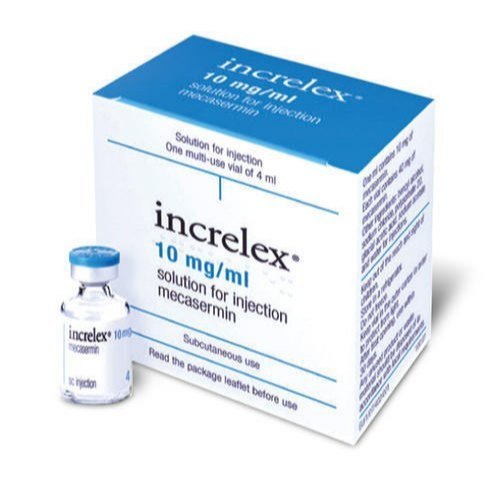
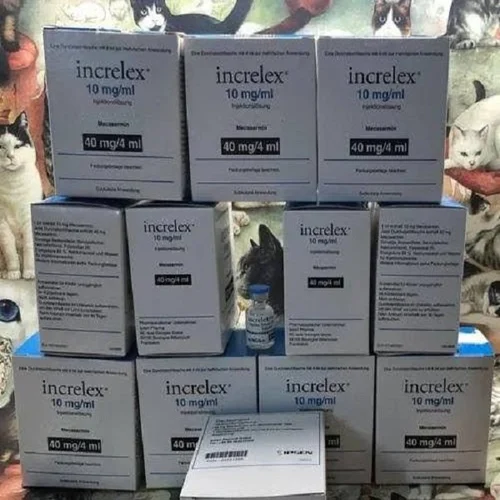


Increlex 10 mg/mL Injection
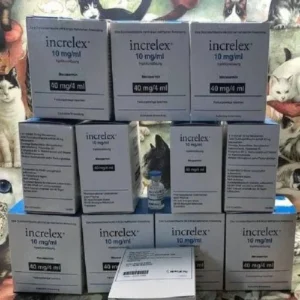
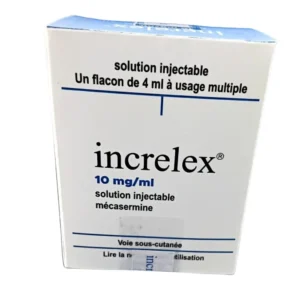
Increlex 10 mg/mL Injection contains mecasermin, a recombinant form of human insulin-like growth factor-1 (IGF-1). It is a prescription medicine used in appropriately diagnosed pediatric patients with severe primary IGF-1 deficiency and certain cases of growth hormone gene deletion associated with neutralizing antibodies to growth hormone. Increlex is administered by subcutaneous injection under specialist medical supervision. Because mecasermin has insulin-like effects, treatment requires particular attention to hypoglycemia, meal timing, dosing, and ongoing medical monitoring.
What Is Increlex?
Increlex is a liquid medicine containing mecasermin, recombinant human IGF-1. IGF-1 is a naturally occurring hormone that plays an important role in childhood growth and development.
In children with severe primary IGF-1 deficiency, the body does not produce or utilize IGF-1 adequately, which can result in significant growth failure. Increlex provides recombinant IGF-1 to help address this deficiency.
Increlex is not a substitute for growth hormone and is not intended for general growth enhancement, bodybuilding, athletic performance, or cosmetic purposes.
Understanding Severe Primary IGF-1 Deficiency
Growth involves a complex biological pathway involving growth hormone (GH), IGF-1, nutrition, genetics, and other physiological factors.
Normally, growth hormone stimulates the production of IGF-1, which contributes to the growth and development of bones, muscles, and other tissues. In severe primary IGF-1 deficiency, this pathway is impaired despite adequate growth hormone activity.
Increlex provides recombinant IGF-1 as replacement therapy for appropriately diagnosed patients.
How Does Increlex Work?
Mecasermin is structurally similar to naturally occurring human IGF-1. After administration, it interacts with IGF-1 receptors and contributes to biological processes involved in cellular growth and development.
Because IGF-1 also has insulin-like metabolic effects, Increlex can lower blood glucose levels. This explains why careful attention to food intake around administration and appropriate medical monitoring are important during treatment.
Generic and Brand Information
Generic name: Mecasermin
Brand name: Increlex
Strength: 10 mg/mL
Dosage form: Solution for injection
Route of administration: Subcutaneous injection
Therapeutic category: Recombinant human IGF-1 therapy
Who May Receive Increlex?
Increlex is intended for appropriately diagnosed pediatric patients with specific forms of severe primary IGF-1 deficiency.
In the United States, the approved indication includes children aged 2 years and older with severe primary IGF-1 deficiency or certain cases involving growth hormone gene deletion and neutralizing antibodies to growth hormone.
It should not be used simply because a child is shorter than average. A qualified healthcare professional must establish the appropriate diagnosis before treatment.
Who Should Not Receive Increlex?
Increlex should not be used in individuals with certain contraindications, including:
- Known hypersensitivity to mecasermin or its ingredients
- Closed growth plates
- Active or suspected malignant neoplasia
Increlex should never be administered intravenously. It is intended for subcutaneous administration.
A healthcare professional should review the patient’s complete medical history before treatment.
Important Information Before Starting Treatment
Before treatment begins, the prescribing healthcare professional should be informed about relevant medical conditions and all medicines, vitamins, and supplements being used.
Particular attention may be required for patients with:
- Diabetes or problems with blood glucose
- Scoliosis
- A history or risk of malignancy
- Other endocrine or growth disorders
- Conditions affecting nutrition or food intake
Medicines that influence blood glucose may also require special consideration.
Increlex Dosing
The appropriate dose of Increlex is individualized according to the patient’s body weight, clinical response, tolerability, and medical circumstances.
The prescribing physician determines the appropriate starting dose and any subsequent adjustments. Doses should never be changed independently by a patient or caregiver.
Because of the potential for hypoglycemia, Increlex should be administered in connection with an appropriate meal or snack according to the prescribing information.
A missed dose should not be replaced by administering an additional dose unless specifically instructed by the prescribing healthcare professional.
Why Meal Timing Matters
One of the most important safety considerations with Increlex is its potential to cause hypoglycemia (low blood glucose).
Patients should follow their physician’s instructions concerning administration in relation to meals or snacks. Increlex should not be administered when the patient cannot eat as directed.
Symptoms of hypoglycemia may include:
- Dizziness
- Sweating
- Hunger
- Weakness or tiredness
- Irritability
- Difficulty concentrating
- Nausea
- Rapid or irregular heartbeat
Severe hypoglycemia can result in seizures, unconsciousness, or other medical emergencies.
Caregivers should receive appropriate instructions from the treating healthcare professional regarding recognition and management of low blood glucose.
Important Safety Information
Hypoglycemia
Low blood sugar is one of the most important risks associated with Increlex. Appropriate meal timing, individualized dosing, and medical monitoring are essential.
If severe symptoms occur or the patient becomes unconscious or cannot safely consume sugar-containing food or fluids, emergency medical assistance should be obtained immediately.
Serious Allergic Reactions
Hypersensitivity reactions can occur following administration.
Seek immediate medical attention if symptoms such as:
- Difficulty breathing
- Severe rash
- Hives
- Swelling
- Dizziness
- Fainting
occur following administration.
Injection-Site Reactions
Injection-site reactions can occur and may include:
- Pain
- Redness
- Bruising
- Loss of subcutaneous fat
- Increased fatty tissue at the injection site
Injection sites should be rotated according to healthcare-professional instructions.
Increased Intracranial Pressure
Increlex treatment may be associated with increased intracranial pressure.
Symptoms requiring medical evaluation can include:
- Persistent headache
- Nausea
- Vomiting
- Visual disturbances
Healthcare professionals may perform appropriate examinations during treatment when clinically indicated.
Enlarged Tonsils and Adenoids
Lymphoid tissue enlargement can occur during treatment. Symptoms may include:
- Snoring
- Difficulty breathing
- Sleep-disordered breathing
- Sleep apnea
- Ear-related problems
Patients should report persistent symptoms to their healthcare professional.
Slipped Capital Femoral Epiphysis
Rapid growth can be associated with orthopedic complications such as slipped capital femoral epiphysis.
Prompt medical evaluation is important if a child develops:
- A limp
- Hip pain
- Knee pain
- Difficulty walking
Scoliosis
Patients with scoliosis may require monitoring during treatment because progression can occur during periods of rapid growth.
Malignant Neoplasia
Malignant neoplasia is an important safety consideration with IGF-1 therapy. Patients with active or suspected malignancy should not receive Increlex, and appropriate medical assessment and monitoring are required during treatment.
Benzyl Alcohol
Certain Increlex formulations contain benzyl alcohol as a preservative. Benzyl alcohol-containing medicines can present serious risks to neonates and infants. Increlex is not recommended for infants.
Common Adverse Reactions
Reported adverse reactions associated with Increlex include:
- Hypoglycemia
- Injection-site reactions
- Hypersensitivity reactions
- Headache
- Enlarged tonsils or lymphoid tissue
This list is not comprehensive. Patients and caregivers should consult the official prescribing information and contact their healthcare professional regarding any concerning symptoms.
Monitoring During Increlex Treatment
Treatment requires ongoing professional supervision.
Monitoring may include:
Growth Measurements
Height and weight should be measured regularly so the treating physician can assess growth and determine whether treatment adjustments are appropriate.
Blood Glucose
Because mecasermin can produce insulin-like effects, healthcare professionals may recommend monitoring blood glucose, particularly during treatment initiation or dose adjustment.
Clinical Assessment
Doctors may monitor for symptoms associated with:
- Intracranial hypertension
- Tonsillar enlargement
- Orthopedic complications
- Scoliosis progression
- Hypersensitivity
- Other clinically relevant adverse effects
Increlex and Growth Hormone
Increlex and growth hormone are not interchangeable treatments.
Growth hormone stimulates the body’s production of IGF-1, whereas Increlex provides recombinant IGF-1 directly. Increlex is therefore intended for specific patients whose growth failure is associated with severe primary IGF-1 deficiency.
It should not be used as a general replacement for growth hormone therapy.
Increlex and Athletic Performance
Increlex is a prescription medicine for a specific pediatric medical indication. It is not approved for bodybuilding, athletic performance, muscle enhancement, anti-aging, or cosmetic purposes.
Non-medical use can expose individuals to potentially serious adverse effects and may violate applicable laws or sporting regulations.
Where to Buy Increlex Online
Because Increlex is a prescription medicine, patients should obtain it through a properly licensed pharmacy or healthcare provider in accordance with the laws and prescription requirements of their country.
Before obtaining the medicine, patients should verify:
- The pharmacy’s licensing status
- Prescription requirements
- Manufacturer and product information
- Batch or lot information
- Expiration date
- Proper storage and handling
- Applicable import and dispensing requirements
The product should remain in its original manufacturer packaging whenever possible.
Frequently Asked Questions
What is Increlex 10 mg/mL?
Increlex 10 mg/mL is a prescription injectable medicine containing mecasermin, recombinant human IGF-1. It is used for specific pediatric growth disorders associated with severe primary IGF-1 deficiency.
What is the active ingredient in Increlex?
The active ingredient is mecasermin, a recombinant form of human insulin-like growth factor-1 (IGF-1).
How is Increlex administered?
Increlex is administered by subcutaneous injection according to the prescribing healthcare professional’s instructions. It should not be administered intravenously.
Can Increlex be used instead of growth hormone?
No. Increlex is not a substitute for growth hormone and is intended for specific patients with severe primary IGF-1 deficiency.
Can Increlex be used for bodybuilding?
No. Increlex is not approved for bodybuilding, athletic performance, or cosmetic purposes.
What is the biggest safety concern with Increlex?
Hypoglycemia is an important risk because mecasermin has insulin-like effects. Appropriate dosing and meal timing are essential.
Can Increlex be used in infants?
Increlex is not recommended for infants, and formulations containing benzyl alcohol can present serious risks in neonates and infants.


Reviews
There are no reviews yet.